How you'll learn
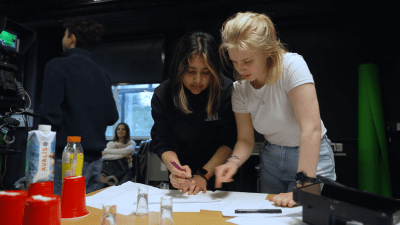
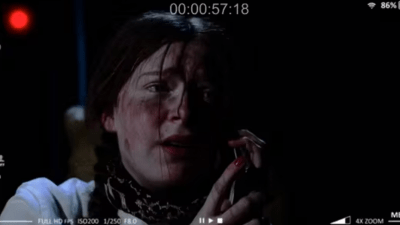
At Regent's, you’ll have the freedom to explore film and screen production in a supportive, collaborative environment with regular one-to-one contact with academics, hands-on classes, and some of the best networking opportunities you can get – helping you develop the skills and confidence you need to succeed. Your learning will be underpinned by real-world experiences, so you can see what the industry is like and hear what it has to say.
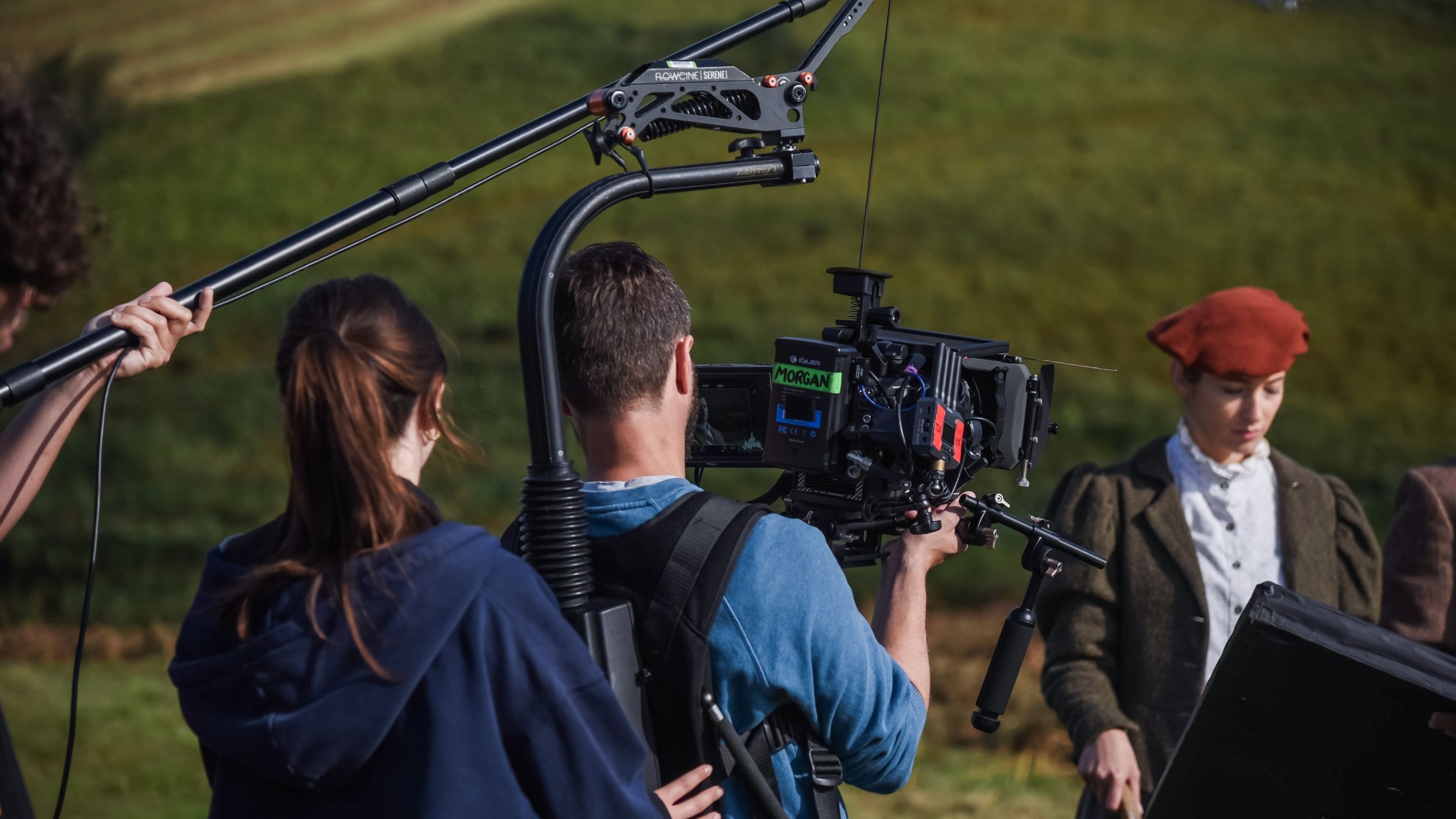
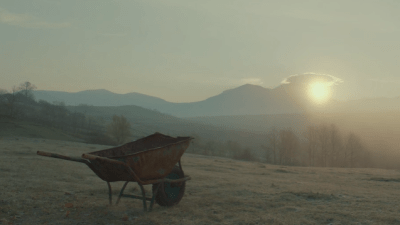
Throughout the degree, you’ll shoot several short dramas and a documentary, all of which will become integral parts of your professional portfolio. You’ll experience working in real film crews, taking on roles from boom operator or production assistant to cinematographer or director.
You’ll learn through a blend of:
- Seminars and workshops, where you’ll get to grips with key themes, collaborate with other students and experience different production roles
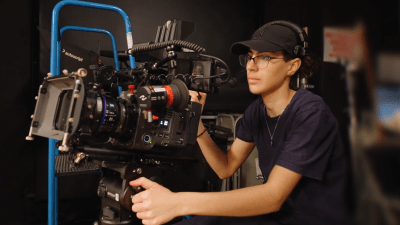
- Practical demonstrations for getting to grips with using industry-standard filming and recording equipment and editing software
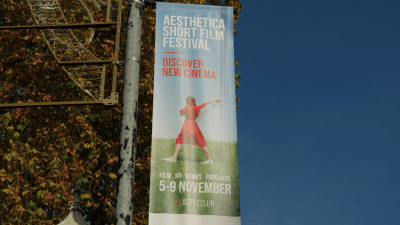
- Field trips to Brighton for team building and inspiration, and to the Aesthetica Film Festival for networking and gaining industry insight
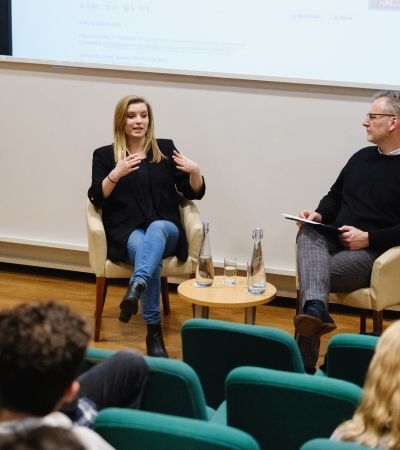
- Guest talks from active industry professionals and inspiring Regent’s alumni
In Year One, you’ll work alongside BA Screenwriting and Production students to create a short film, make a reportage film, and rework an existing script of your choice to produce a scene replication.
You’ll continue making short films in Year Two, taking on new roles within production teams. You’ll also complete a research assignment based around your field trip to Aesthetica Film Festival, taking a deep dive into the workings of the industry and the film festival scene. At the end of the year, you’ll go to Brighton to prepare for your upcoming final year.
Three major filmmaking projects will make up your final year. You’ll choose two different specialist roles for group projects, before taking on a major project of your choice – this is the culmination of your degree, and you can either execute it independently or put together a crew with the students you’ll now be accustomed to working with.
Contact hours
You’ll have 18 hours per week of timetabled teaching. Outside your classes, you'll work on projects independently and collaboratively with fellow students, and complete further reading, research and reflections.
Teaching staff
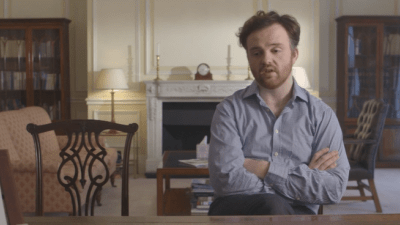
You'll be taught by active, high-achieving film and television professionals. Members of our teaching team have collaborated on international feature films, helped produce award-winning documentaries, been nominated for an Oscar, and had work screened at the Super Bowl and the British Film Institute (BFI). They bring their industry experience directly to the classroom and provide you with fantastic networking opportunities.
Your teaching team includes Tristan Tull, Robert Freeman, Ken Fero, Devon Dickson, Mike Peel, Ted Wilkes, Lucy Mulloy, Phil Hughes, Line Langebek, Roxy Dunn and Ian Killick.
You'll also regularly meet with an Academic Advisor on a one-to-one basis, making sure you’re getting the most out of your course.
Methods of assessment
Since BA Film and Screen Production is a highly practical course, you’ll primarily be assessed on the films you make and your execution of your allocated roles within them. You’ll also be assessed on production strategies, scripts, reflective essays, critical analyses and more – giving you plenty of opportunities to showcase your skills and strengths.
It's important to us that your learning is inclusive, engaging and authentic – that’s why our assessment types are varied, dynamic and built around real-world ways of working.
Disability support
We welcome and support students with a wide range of disabilities and health concerns. Please speak to us as soon as possible, so we can provide the help you need.